
We are an international research team hosted at BABYLAB PAN (Institute of Psychology, Polish Academy of Sciences; IP PAN, Poland) and collaborating with three partner laboratories across Europe: the Centre for Brain and Cognitive Development (CBCD, Birkbeck, University of London, UK), the Development and Neurodiversity Lab (DiVE Lab, Uppsala University, Sweden), and the MEDEA Autism Babylab (IRCCS E. Medea, Italy). Collectively, the team provides large-scale eye-tracking data from three infant sibling cohorts. These longitunal data has been collected for ~13 years, mostly through major European autism consortia and research networks, including EUROSIBS consortium and the British Autism Study of Infant Siblings (BASIS).
Several team members have led autism European multidisciplinary networks, such as AIMS-2-TRIALS (Autism Innovative Medicine Studies-2-Trials), and the ITN SAPIENS (Shaping the Social Brain Through Early Interactions, H2020), and the nationwide Italian NIDA network (Italian Network for Early Identification of Autism Spectrum Disorder, coordinated by the Italian National Institute of Health). Together, we bring expertise in early autism research.
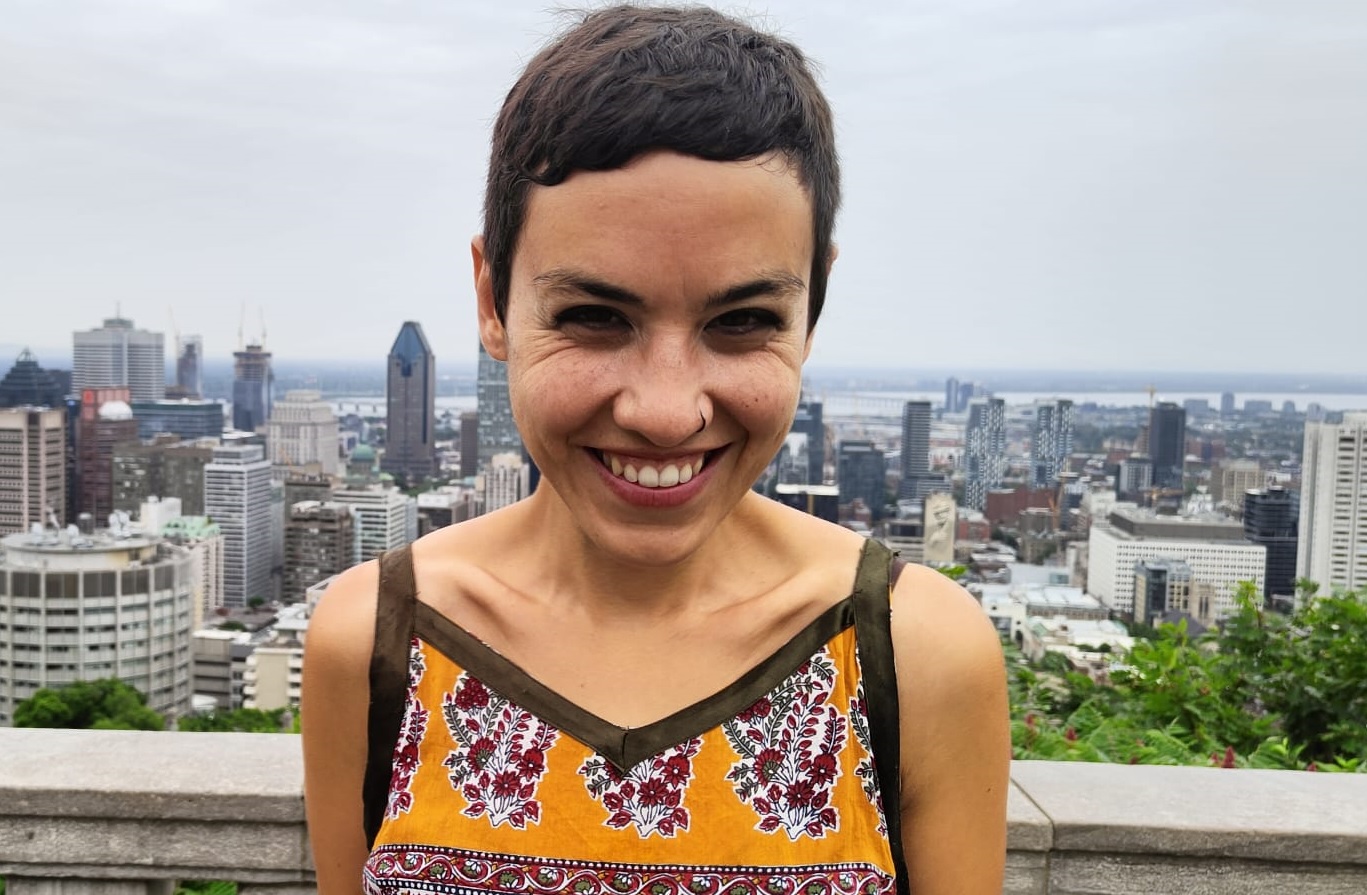
Dr. Itziar Lozano
Itziar (Itzi) is the Principal Investigator of the “See Me Talk” Project, hosted at the Neurocognitive Development Lab (Babylab PAN). Her research investigates how infants’ perceptual and attentional skills support later language. She also studies the role of language experience and brain maturation on early word-learning. In her current project, she investigates early sex-specific protective/risk factors for language acquisition in infants at elevated likelihood of developing autism (infant siblings).
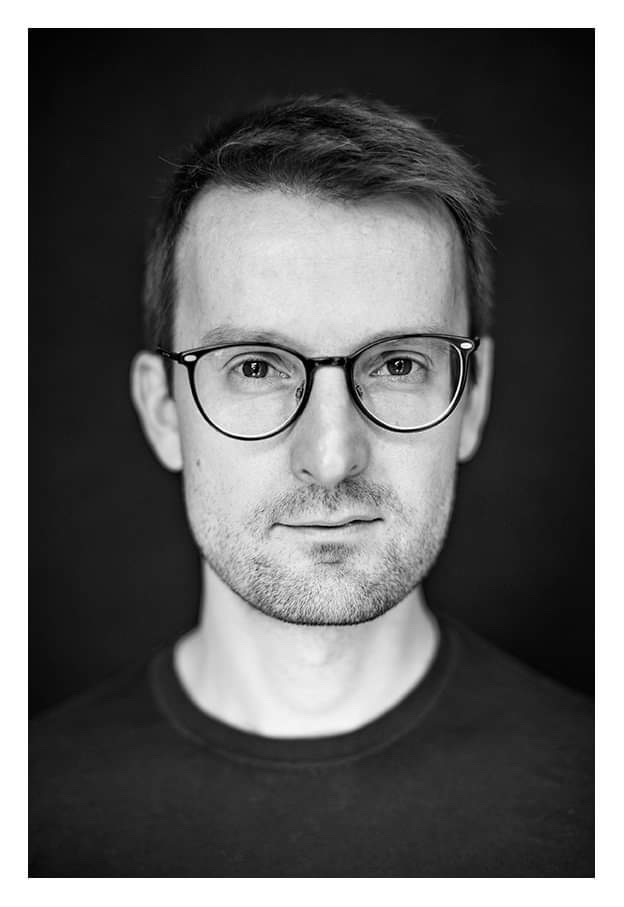
Prof. Przemek Tomalski
Przemysław (Przemek) is a Professor at IP PAN and the Head of the Neurocognitive Development Lab (Babylab PAN). He leads research on early brain and cognitive development, using diverse developmental methods (EEG, fNIRS, eye-tracking). His primary research interests focus on the links between psychological development and brain development. His research to date has examined how early experiences and the environment in which infants develop influence how they cope with challenges, as well as how they learn and organize their activities. He currently leads projects on how everyday parent-infant interactions shape children’s brain function, particularly in the area of language development. He co-led the MSCA ITN SAPIENS (Shaping the Social Brain Through Early Interactions). Przemek opened the door to an outstanding network of autism collaborators, enabling access to the eye-tracking data we are analysing, and contributing a strong developmental theoretical perspective to the project!
Mgr. Anna Malinowska-Korczak
Anna (Malina) is the Coordinator of Babylab PAN at the Institute of Psychology, Polish Academy of Sciences (IP PAN). She amazingly supports the day-to-day work of the lab and the coordination of research tasks within the BABYLAB team. She is also psychotherapist for children and adolescents. She deals with challenges related to development in the first years of life and implements the latest discoveries in developmental psychology in her work with children and their parents. Malina excels at keeping the project admin neat and tidy!
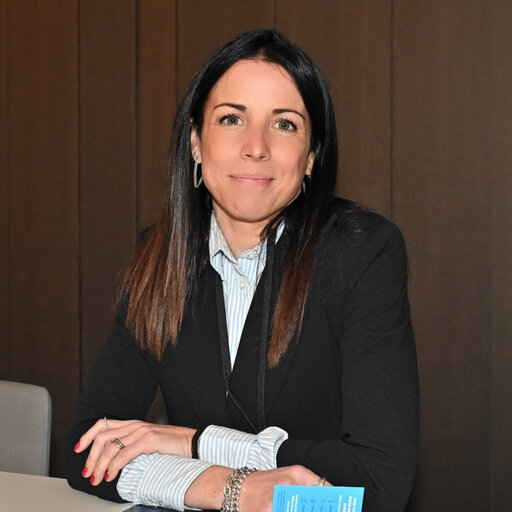
Dr. Valentina Riva
Valentina is a the Head of the MEDEA BabyLab – Autism Area at IRCCS Eugenio Medea (Italy), and Adjunt Prof. at San Raffaelle University. She uses innovative, experimental techniques (EEG, eye-tracking) for studying brain and behavior in the first years of life. She investigates early behavioral and neural markers of autism, with particular emphasis on (multi)sensory integration as a predictor of language. She has an exceptional autism network (NIDA network – Italian Network for early identification of Autism Spectrum Disorder)and unique expertise in developmental psychology, autism, genetics, and clinical practice. Valentina generously contributed a large dataset of screen-based eye-tracking data from the MEDEA Autism Babylab. She amazingly brings together autism research with families and clinicians!
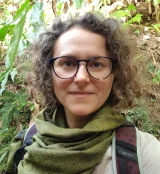
Prof. Teodora Gliga
Teea (Teodora) Gliga is a Professor at the University of East Anglia (UEA), Norwich, where she leads the Gliga Lab. She formerly led the Infant Siblings Study at the Centre for Brain and Cognitive Development (CBCD), Birkbeck, University of London (UK). She co-led the managemnet board of the autism research network British Autism Study of Infant Siblings (BASIS). Her research examines early developmental pathways to autism and ADHD, and how infants’ attention, curiosity, social touch, and language learning shape cognitive development. She kindly contributed UK screen-based eye-tracking data from the BASIS project. Teea brings a strong theoretical perspective to autism research data, with particular strengths in building models and interpreting data visualizations in depth!
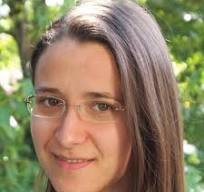
Mgr. Elena Capelli
Elena is a PhD candidate at the University of Pavia (Department of Brain and Behavioral Sciences), and a Speech Therapist and Psychologist in the MEDEA BabyLab -Autism at IRCCS Eugenio Medea (Italy). She investigates early social attention, parent–infant interaction and language development in infant siblings, as well as infants with other neurodevelopmental conditions. In her longitudinal work, she uses eye-tracking, EEG, and EEG hyperscanning to link dyadic co-regulation and sensory/attention profiles with later language and clinical outcomes. Elena is highly skilled in complex eye-tracking and EEG data analysis, contributing a sharp experimental lens to the project!

Dr. Charlotte Viktorsson
Charlotte is a researcher at Uppsala University and a team member of the Development and Neurodiversity Lab (DiVE Lab). Her research is focused on early social and communicative development, as well as early signs of autism. She also works in behavioral genetics, where she explores the influence of genes and environment on early development. Charlotte is highly skilled in very complex statistical analysis and eye-tracking preprocessing, both live and screen-based!
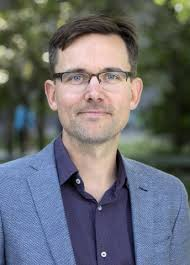
Prof. Terje Falck-Ytter
Terje is a Professor at Uppsala University and leads the Development and Neurodiversity Lab (DiVE Lab). His research aims to characterise early development in autism spectrum conditions and attention-deficit/hyperactivity disorder (ADHD), to improve early diagnosis and individualized support for children and their families. He also conducts twin studies of infants to understand how genetic and environmental factors contribute to individual differences in brain development and behaviour. He has been part of several multidisciplinary autism-related networks and consortia (e.g., AIMS-2-TRIALS (Autism Innovative Medicine Studies-2-Trials). He generously contributed live eye-tracking data from the EASE project. Terje is a truly expert in live and screen-based eye-tracking research and “social attention” in autism, and an amazing host!
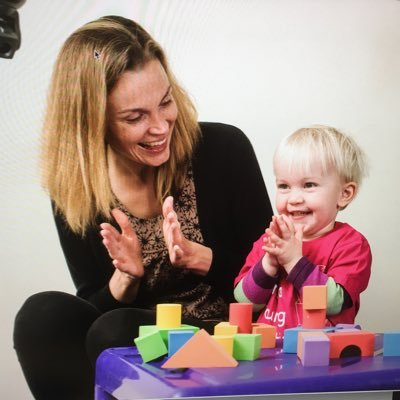
Prof. Emily JH Jones
Emily is a Professor at the Centre for Brain and Cognitive Development (CBCD), Birkbeck, University of London, where she leads the BOND lab. She uses behavioural, EEG and psychophysiological methods to study early attention and memory, especially variability in autism development. She coordinates and contributes to major infant-sibling and European collaborations (e.g., BASIS, STAARS, AIMS2, SAPIENS) and develops new EEG/methods via BRAINTOOLS/BONDS. Emily generously contributed UK screen-based eye-tracking data from the BASIS project!
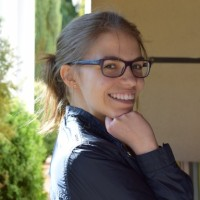
Mgr. Natalia Falkiewicz
Natalia holds BA and MA in Cognitive Science at the University of Warsaw. She is also currently studying computer science at the Gdańsk University of Technology. She recruited and tested a large sample of toddlers across Babylabs in Poland and Norway. In her MA thesis, she investigated neural markers of vocabulary acquisition in toddlers using oscillations analyses and N400 ERP. Natalia brings to our project exceptional expertise in merging massive datasets across labs with impressive speed!
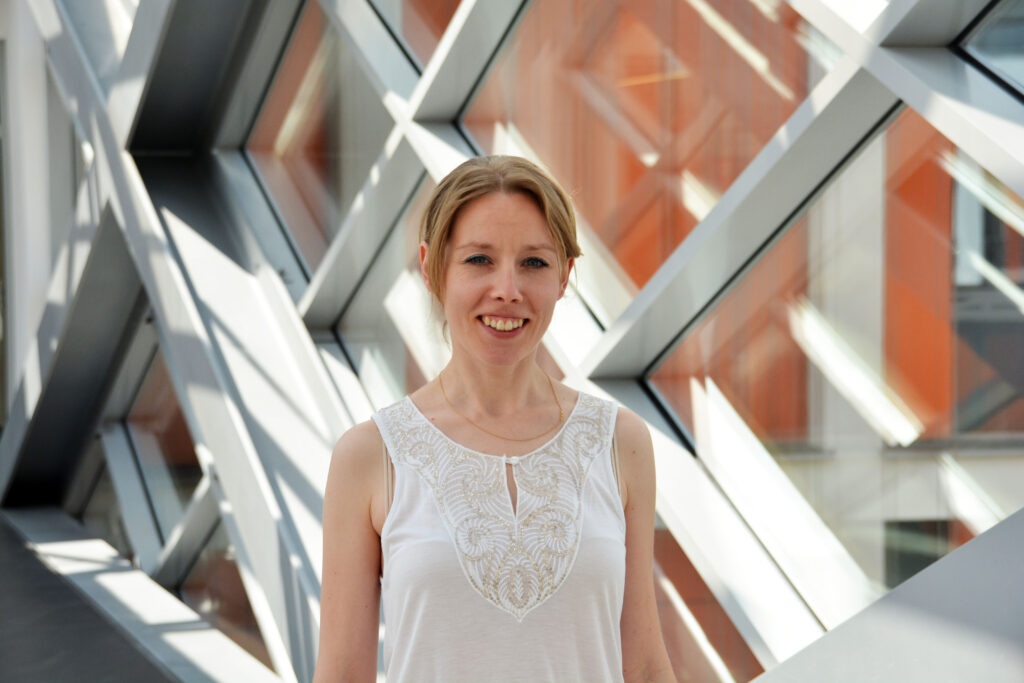
Dr. Anna Duszyk-Bogorodzka
Ania is a neuropsychologist and Associate Professor at the University of Warsaw (Faculty of Physics, Biomedical Physics Division). Her work focuses on EEG-based studies of executive control, brain–computer interfaces, and disorders of consciousness. She currently leads two projects on coma and disorders of consciousness, developing new prognostic and diagnostic indicators based on EEG and MRI, to improve the assessment and communication for patients with impaired consciousness. She has also co-led research into early neural markers of language development in monolingual and Polish-Norwegian bilingual toddlers. Ania excels at analysing all kinds of signals and truly enjoys it!