
📅 January – July 2026 – Research Visit at DiVE Lab (Uppsala University) within the “See Me Talk” project!
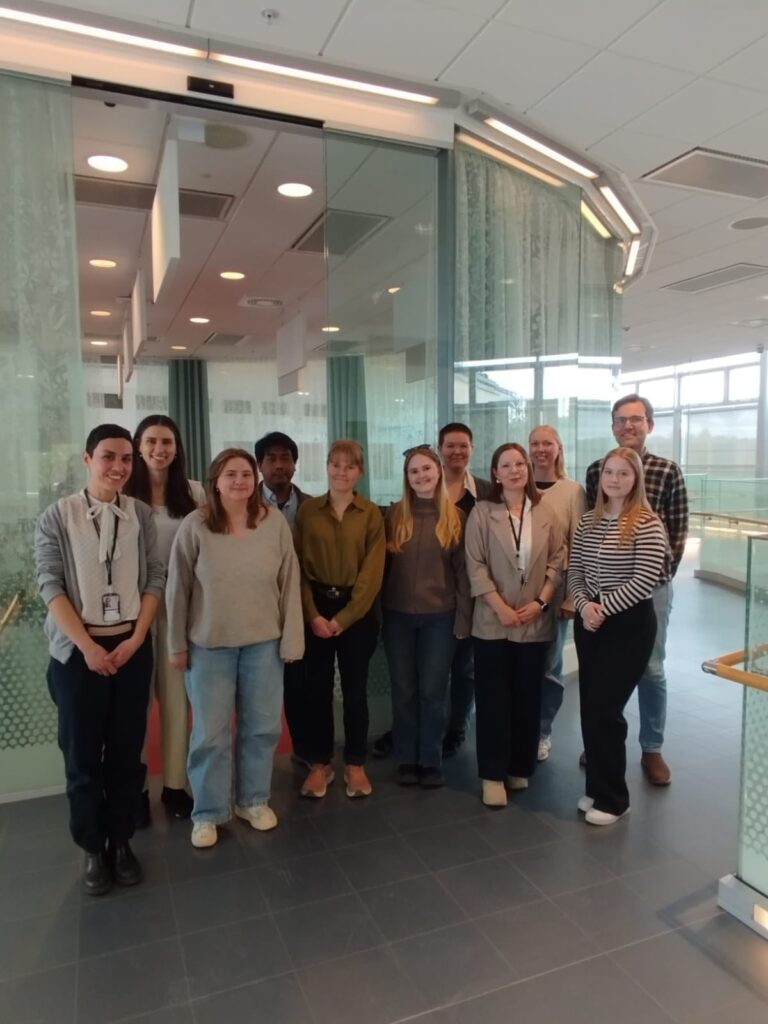
Dr. Itziar Lozano spent 6 months at the DiVE Lab as part of a scientific collaboration within the “See Me Talk” Sonatina project, funded by the Polish National Science Centre (NCN). During her stay, she worked with Prof. Terje Falck-Ytter and Dr. Charlotte Viktorsson to learn how to analyze live eye-tracking data and explore sex differences in a unique longitudinal dataset of infants at elevated likelihood for autism.
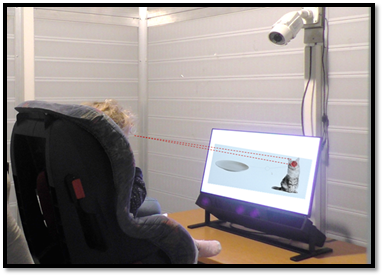
This innovative method tracks infants’ gaze to speaking faces in real-time during real-life interactions—an important step in understanding how infants learn from everyday social experiences. The DiVE Lab (Development and Neurodiversity Lab) at Uppsala University, led by Prof. Terje Falck-Yytter, explores early child development through large-scale research. Clinical projects like EASE and PIP examine early developmental pathways in autism and ADHD to improve early diagnosis and personalized support for children and their families. The team also runs twin studies to understand how genetic and environmental factors shape brain development and behavior.

📅 August 2025 📍 LCICD 2025 – Lancaster Conference in Infant and Early Child Development at Lancaster (UK)
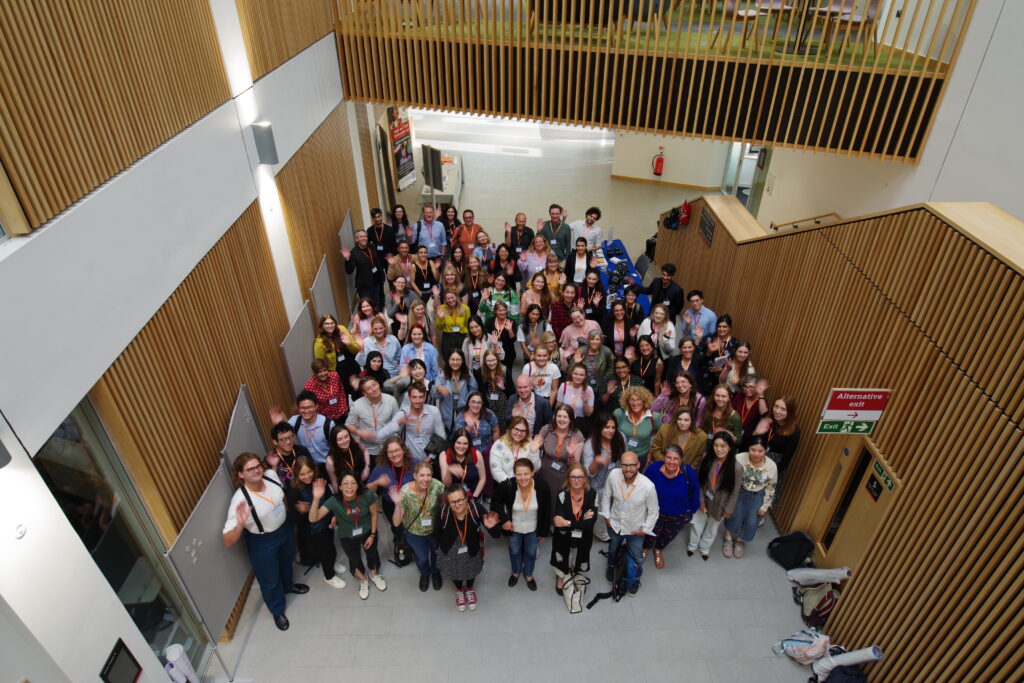
We participated in the 9th Lancaster International Conference on Infant and Early Child Development (LCICD 2025), held at Lancaster University (UK) from 27–29 August 2025. The conference brought together more than 130 international researchers working on infant and early childhood development, covering topics from prenatal development to early cognitive, language, and social development.
LCICD is known for its collaborative and welcoming atmosphere, providing a platform for researchers at all career stages to present new findings, exchange ideas, and discuss emerging directions in developmental science.
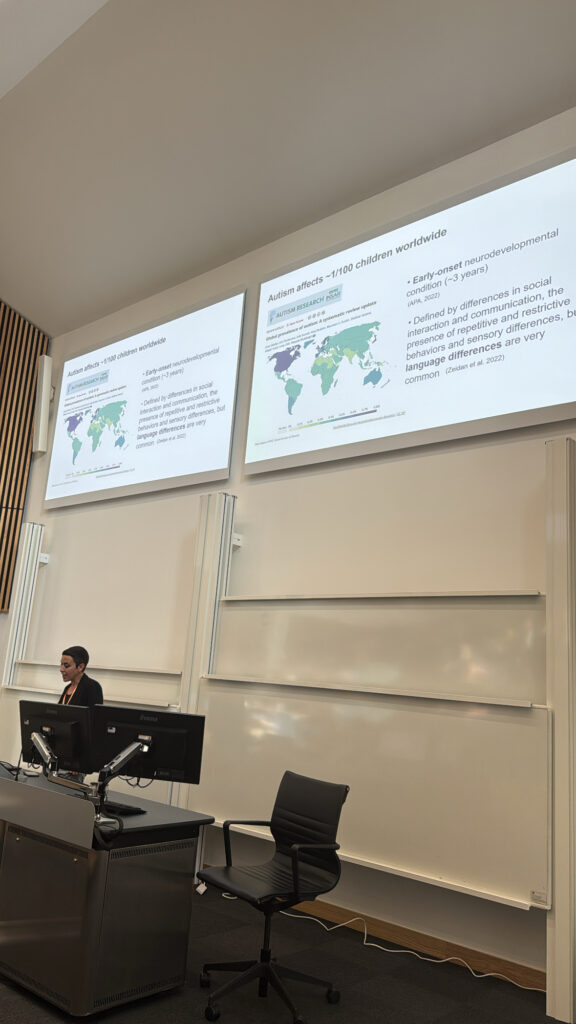
During the conference, we presented the oral talk “Early selective attention to the mouth of a talking face in the first year of life as a potential female-specific marker of better language development in autism” from the See Me Talk project. The conference provided a valuable opportunity to share our findings and discuss them with researchers working on infant development and autism. It was also a great opportunity for Dr. Teodora Gliga and me to meet in person her Gliga’s Lab team and spend time together!

📅 October 2024 – Short Research Visit to IRCSS MEDEA Autism Babylab (Lecco, Italy)
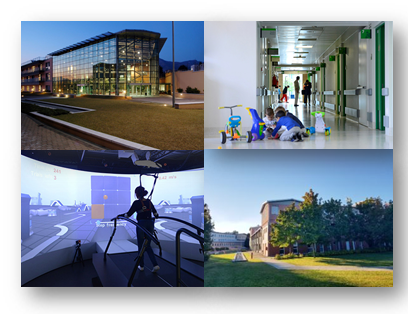
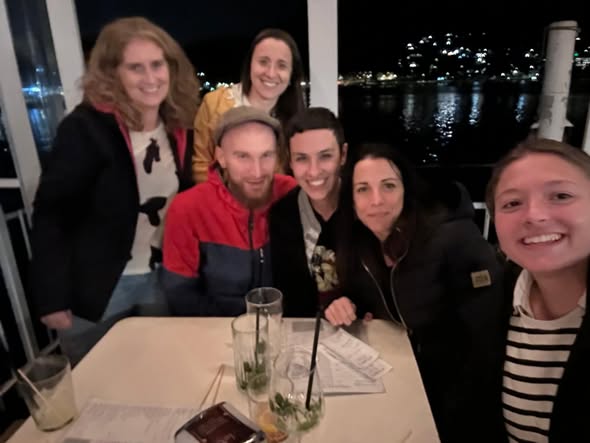
It was also an immense pleasure for me to stay a few more days for a short research visit Dr Valentina Riva and Elena Capelli at the IRCCS Medea Autism Babylab. MEDEA Babylab’s team is not only scientifically exceptional but also incredibly welcoming! Our time working together has been highly productive, transferring their large longitudinal dataset to us, which advanced our ongoing collaboration on the “See Me Talk” SONATINA project! We also had time to make an ‘aperitivo’ close to the Lake. Thank you all the MEDEA team members for your generosity in those days at your lab!

📅 October 2024, Autism Conference at Lecco (Italy), organised by Dr Valentina Riva
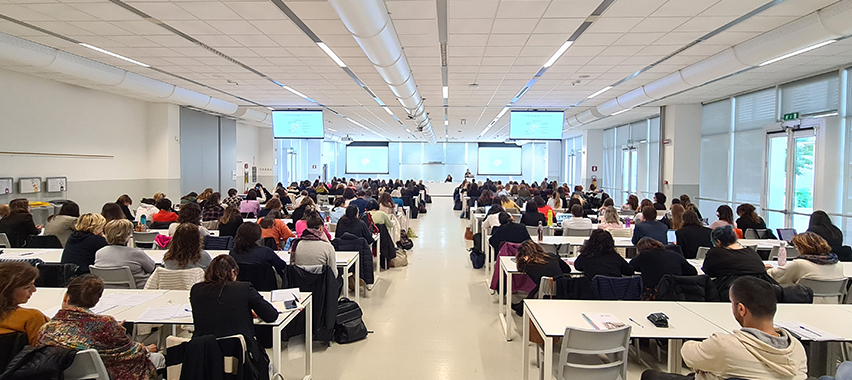
I had the great pleasure of taking part in the conference on “Individual Differences in Autism in the Early Years” organised by Dr. Valentina Riva with IRCCS Medea – La Nostra Famiglia and Univerlecco. I was honoured to attend the event as an invited speaker.
This outstanding conference celebrated at Lecco (Italy) brought together leading international researchers working on early autism and developmental differences. It was an excellent opportunity for collaboration and scientific discussion around individual variability in early development, and for discuss new directions in the autism field. Also, it was a fantastic opportunity to meet and share research with leading international experts in the field of autism, including Valentina Riva, Giorgia Bussu, Valeria Giovanni, Anna Gui, Michael Lombardo and Giacomo Vivanti. The insightful discussions, expertly moderated by Maria Luisa Scattoni and Serafino Corti, were invaluable. Many attendees drew parallels between this conference and INSAR!
More about the conference clicking here.

📅 July, 2024 – ICIS Symposium (Glasgow)
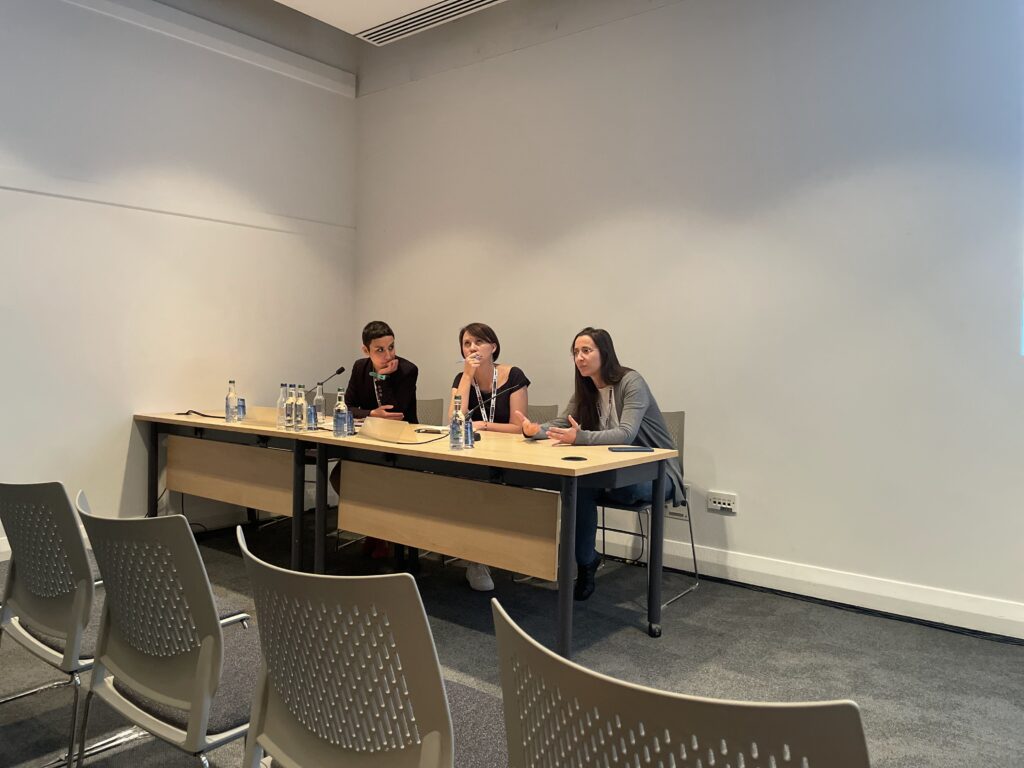
At ICIS 2024 (Glasgow, UK, 8–11 July 2024), we organised the symposium “Visual Traces on Audiovisual Speech in the First Two Years of Life: Towards a Converging Developmental Picture”>, bringing together Dr. Charlotte Viktorsson (Uppsala University), Prof. Teodora Gliga (University of East Anglia), Dr. Magdalena Szmytke, Dr. Itziar Lozano Sánchez (Polish Academy of Sciences), and Elena Capelli (IRCCS E. Medea). Several of the speakers are also involved in the “See Me Talk” project, which added an important developmental dimension to the symposium.
Our symposium focused on how infants’ attention to audiovisual speech develops across the first two years of life and why previous findings in the field have often been difficult to reconcile. Across the three talks, we explored what exactly drives infants’ increasing attention to the mouth of a talking face, how this behaviour can be measured more sensitively beyond infancy using EEG measures, and how attention to talking faces relates to audiovisual speech processing in neurodivergent development (autism). Together, the presentations showed that growing attention to the mouth is specifically linked to visual speech and to perceptual processing, helping to build a more coherent developmental picture of how infants learn from talking faces.
We would like to thank our team member(s) Prof. Teodora Gliga for serving as the Discussant and Dr. Charlotte Viktorsson for Chairing the symposium!


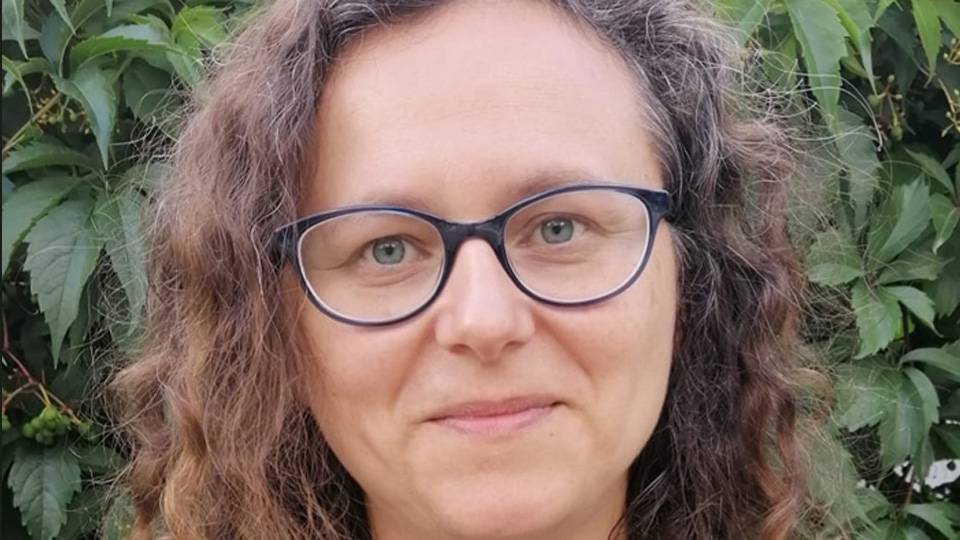
Prof. Teodora Gliga (Head of Gliga’s Lab) – she was our Discussant!
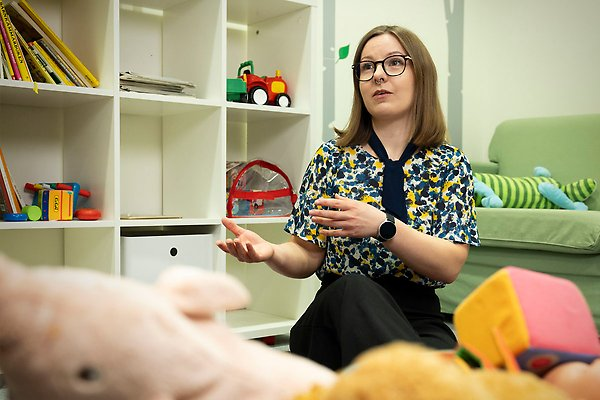
Dr. Charlotte Viktorsson, Researcher at DiVE Lab (Uppsala University) – she was our Chair!